Follow-Up Cadence for Ghosted Applications: The 7-14-21 Day Schedule
Ads
Waiting weeks without hearing back after applying is a familiar part of searching for a job. Candidates often swing between emailing every few days or giving up on an application entirely.
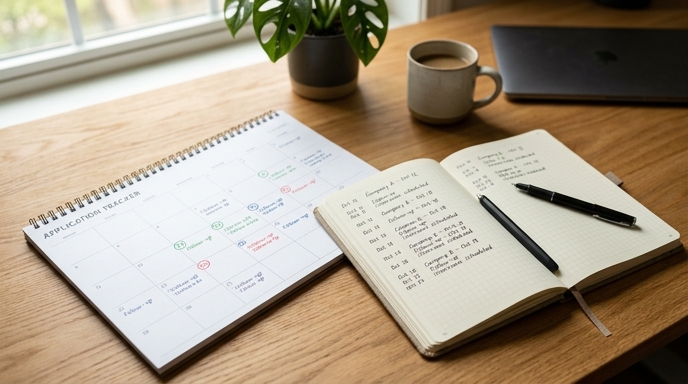
Using a structured follow-up cadence for ghosted applications gives you a professional way to check in on your status without annoying the hiring team.
The 7-14-21 Day Timeline Defined
Hiring processes frequently run behind schedule. Approvals get delayed, team needs change, and recruiters handle dozens of listings simultaneously. Reaching out too fast looks pushy, but waiting too long lets your application get buried.
Use this schedule for high-priority applications:
Writing High-Signal Follow-Up Messages
Avoid sending messages that only say 'Just checking in on my status.' That gives the recruiter extra work without providing any helpful information.
Anchor your follow-up with something useful. If you recently published a project, completed a relevant certification, or noticed news about the company, mention that briefly in your message.
Example Day 7 follow-up structure
'Hi [Recruiter Name], I submitted my application for the [Role Title] position last week. I noticed your team's recent transition toward [Technology/Initiative], which aligns closely with work I completed at [Previous Company]. I welcome the opportunity to discuss how my background fits your current roadmap.'
Knowing When to Close the File
If you receive no reply after your Day 21 note, archive the job in your tracker and move on. Sending additional emails past three weeks rarely changes anything and can leave a negative impression with the recruiting team.
Delays and silence happen frequently in corporate recruiting. Sticking to three scheduled check-ins keeps your outreach organized and lets you direct your focus to active leads.
Frequently Asked Questions
Should I message the recruiter or the hiring manager?
If you have not had an interview yet, message the recruiter assigned to the role. If you have completed a phone screen, follow up directly with the person who ran the call.
Is LinkedIn InMail better than email for following up?
A short LinkedIn connection request or message often gets seen faster than an email in a busy inbox, provided your profile is up to date.
Does following up actually change a hiring decision?
It rarely reverses an intentional rejection, but it can revive an application that was delayed or overlooked due to scheduling bottlenecks.