LinkedIn Open to Work Privacy: How Recruiter Filters Screen Hired Status
Ads
When you set your LinkedIn Open to Work privacy settings, you choose between two options: display the green frame around your profile photo for everyone, or restrict that status to recruiters who pay for LinkedIn Recruiter. Each choice routes your profile through different indexing paths across the main network and the recruiter tool.
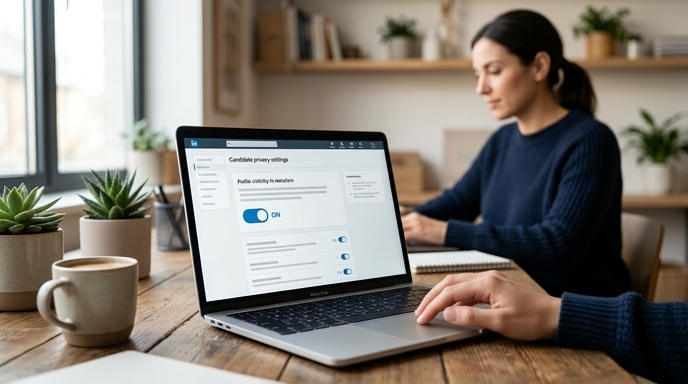
These are not just visual options. They change how your account appears in queries run through LinkedIn Recruiter versus searches run on the public platform.
How Recruiter Sourcing Filters Process Open to Work Signals
Recruiters who pay for search licenses rarely browse the public LinkedIn feed. They source candidates through dashboard filters that target skills, years of experience, and location. Candidate intent is one of the primary filters they use.
When you select Recruiters only, your profile is indexed in candidate pools queried under intent-based spotlight tabs. This positions your profile higher when a recruiter filters for people open to immediate outreach. If you turn the status off, recruiters can still find you through keyword searches, but your profile drops out of the priority queues used for active sourcing.
The Technical Mechanics of LinkedIn Open to Work Privacy Safeguards
Passive job seekers often worry about whether their current employer can see that they are open to new roles. LinkedIn uses an automated rule to hide your status from your current company:
The safeguard has limits. If your company operates subsidiaries with their own LinkedIn pages, or if the internal team hires outside agencies that use independent Recruiter licenses, those external recruiters can see your status. If privacy is your main priority, check your experience section to confirm that your current role links to the exact company page tied to your employer's main enterprise account.
Step-by-Step: How to Audit Your Visibility Settings Tonight
FAQ
Does the public green banner improve recruiter response rates?
The public banner helps people without paid recruiter seats—such as founders, hiring managers, and general connections—notice that you are looking. Specialized recruiters using LinkedIn Recruiter search by structured database fields, which means the back-end setting provides visibility without requiring the public frame.
Can my manager see my Open to Work status if they have a personal account?
No. Standard personal LinkedIn accounts cannot view the private Open to Work signal. Only accounts with paid Recruiter seats can see that status, and LinkedIn blocks accounts linked to your current employer's corporate identity.
What happens if I work at a subsidiary with a separate company page?
If your current job entry points to a subsidiary with a different LinkedIn page than the one tied to your parent company's Recruiter license, the suppression rule will not connect them. To minimize exposure, link your experience entry to the primary corporate page that holds the company's recruiting licenses.