Athletic Training and Sports Medicine Hiring: Clinical Portfolios, Licensure Audits, and Practical Trials
Ads
Sports medicine professionals manage injury prevention, acute sideline trauma, and rehabilitation under direct public and institutional scrutiny. Because clinical errors affect athlete health and carry organizational liability, athletic departments and professional franchises maintain rigorous hiring standards.
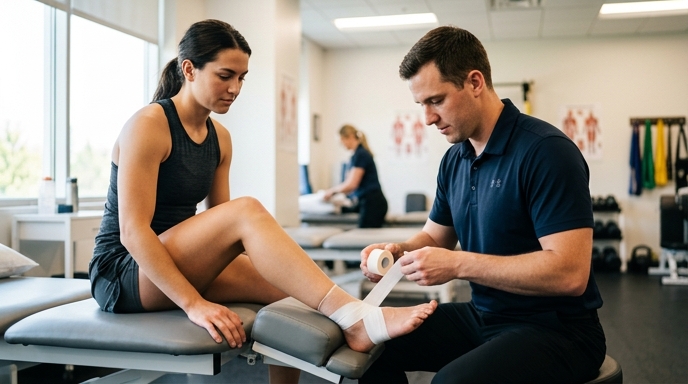
Understanding the sports medicine hiring pathway helps clinicians prepare clinical portfolios, complete credential checks, and handle practical interviews.
The Core Stages of Sports Medical Recruitment
Whether applying to a college athletic department or a professional team, sports medicine hiring involves structured technical and credential reviews:
Documenting Return-to-Play Frameworks
Hiring committees look for clinicians who combine acute treatment with athletic conditioning. Resumes and portfolios should explain your diagnostic methods and progression criteria clearly.
Key Clinical Domains to Highlight
Prompt to Audit a Clinical Sports Medicine Resume
Use this prompt to check that your resume emphasizes objective clinical standards and rehabilitation protocols:
You are a Head Athletic Trainer and hiring committee chair for an athletic department. Review this sports medicine resume summary: [PASTE RESUME SUMMARY] Assess whether the text clearly demonstrates: 1. Objective, evidence-based return-to-play criteria rather than generic care. 2. Collaboration with physicians, performance staff, and compliance bodies. 3. Provide two refined bullet points emphasizing diagnostic methodologies and athlete rehabilitation outcomes.FAQ
What primary credentials do teams require for athletic training roles?
In the United States, athletic trainers must hold BOC certification and state licensure. Holding secondary credentials, such as a physical therapy license or a CSCS certification, strengthens an application.
How do collegiate sports medicine jobs differ from professional league roles?
Collegiate athletic trainers manage broader athlete populations across multiple sports, handling campus health protocols and student insurance. Professional roles focus on a single roster with intense travel demands.
What is evaluated during the practical triage interview?
Panels evaluate spine-board immobilization, acute concussion assessment protocols, knee ligament manual testing, and verbal communication during high-stress simulations.