Athletic Equipment and Footwear Engineering: How Product Development Teams Hire
Ads
Athletic gear manufacturers design equipment within tight biomechanical tolerances and safety requirements. Whether developing responsive midsole foams, impact-absorbing helmets, or aerodynamic cycling gear, performance brands evaluate candidates on both materials science theory and physical prototyping.
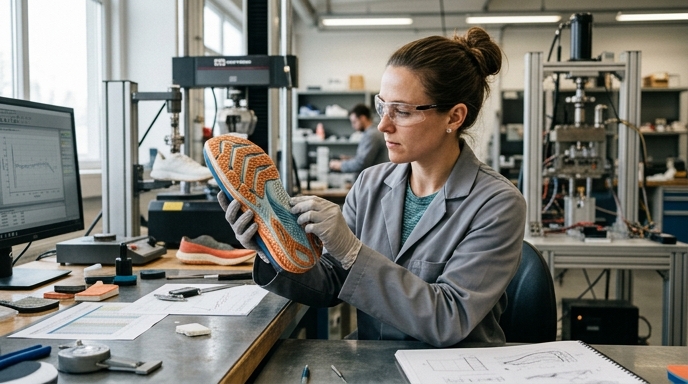
Understanding the standard athletic equipment engineering hiring process helps you organize project dossiers, prepare for technical tests, and document material testing methods clearly.
The Core Stages of Sports Engineering Recruitment
Unlike general mechanical engineering roles, sports product R&D requires candidates to understand human movement, athletic wear patterns, and manufacturing limits. Hiring typically follows three phases:
Documenting Sports R&D Projects for Portfolio Audits
Hiring managers look for documented failure modes and design iterations rather than polished presentation renders.
Organize case studies into four clear sections:
Prompt to Review Engineering Portfolio Descriptions
Use this prompt to ensure your project case studies focus on biomechanics, materials testing, and mechanical metrics:
You are a principal footwear biomechanics engineer reviewing an applicant's portfolio. Read this project breakdown: [PASTE PROJECT CASE STUDY] Analyze the text for: 1. Ambiguous material specifications (flag vague terms like 'lightweight polymer' and replace with technical categories). 2. Missing mechanical metrics (e.g., hysteresis, flexural modulus, peak impact g-force). 3. Suggest two concise bullet points describing the testing cycle for a technical resume.FAQ
What software tools are most requested in sports hardware engineering?
PTC Creo and SolidWorks are standard for hardgoods and footwear tooling. Rhino and Grasshopper are common for algorithmic midsole lattice structures, while ANSYS and Abaqus are used for FEA simulations.
How important is human subject testing in an engineering portfolio?
Valuable. Experience collecting motion-capture data, analyzing ground reaction forces, or managing controlled wear tests distinguishes applicants from purely theoretical mechanical designers.
Do sports gear companies recruit non-traditional applicants?
Yes. Engineers with backgrounds in automotive crash testing, aerospace composites, or medical orthotics regularly move into sports R&D because the material and biomechanical principles overlap.